
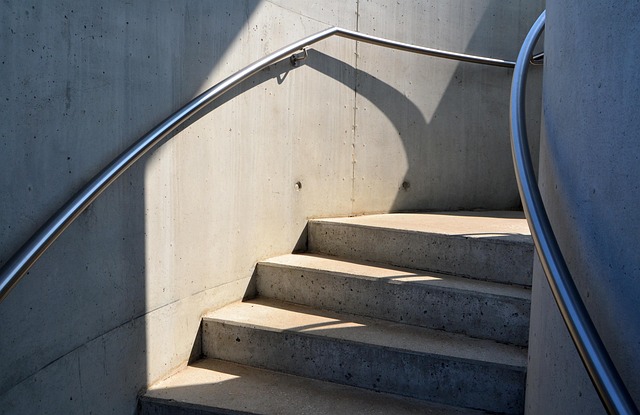
Modern Minimalist Concrete
September 9, 2026concrete driveway adelaide minimalist homes have changed the way people think about concrete.
Twenty years ago, a driveway was mostly somewhere to park the car.
Now it’s part of the architecture.
It frames the house before anyone reaches the front door.
After more than two decades building driveways, patios and slabs across Adelaide, we’ve noticed something interesting.
The more modern the home, the less the concrete tries to stand out.
That might sound backwards.
But it’s true.
Most people assume a premium modern home needs an elaborate decorative driveway.
It usually doesn’t.
In fact, we’ve found that the most impressive minimalist projects are often the simplest. Clean lines. Consistent finishes. Plenty of open space. Nothing that distracts from the architecture.
The concrete isn’t the feature.
It’s the foundation that lets everything else breathe.
One thing we’ve noticed is that modern minimalist homes are unforgiving.
A traditional brick home can hide small imperfections surprisingly well.
A minimalist home can’t.
If the edges wander, people notice.
If the joints don’t line up with the building, people notice.
If the levels aren’t right, the whole entrance somehow feels off, even if nobody can explain why.
That’s why preparation becomes even more important than decoration.
After doing hundreds of driveways, we’ve learnt that straight lines are harder than they look.
Anyone can pour concrete.
Pouring it so every edge feels deliberate is another skill altogether.
The funny thing is, homeowners often spend weeks deciding between finishes while paying very little attention to layout.
Layout is what people actually experience.
The width of the driveway.
The distance to the garden.
The way the path leads to the front door.
The amount of visible concrete compared with landscaping.
Those decisions shape the entire feel of the property.
Here’s where people get caught out.
They think minimal means empty.
It doesn’t.
Minimal means every element has a reason for being there.
If you’ve got decorative borders, feature strips, multiple colours and patterned sections all competing for attention, the design starts feeling busy.
Modern homes usually benefit from restraint instead.
One finish.
One colour.
One clear direction.
That’s often enough.
We’ve worked on plenty of contemporary homes around Adelaide where plain concrete looked far more expensive than heavily decorated alternatives.
Not because it cost more.
Because it suited the architecture.
Adelaide’s light also changes how minimalist concrete feels.
During summer, our sunlight is harsh and direct. Long shadows stretch across clean surfaces during the afternoon, highlighting edges and proportions in ways that softer climates don’t experience.
One thing we’ve noticed is that textured decorative finishes can sometimes interrupt that clean appearance.
Subtle finishes usually allow the architecture to remain the focus.
That’s often exactly what the designer intended.
Colour deserves a bit of thought too.
Most people assume darker always looks more modern.
Not necessarily.
Dark charcoal can look striking against white render, but it also absorbs heat during Adelaide’s summer heatwaves. Walk across it barefoot in January and you’ll quickly understand the trade-off.
Lighter greys stay cooler while still delivering that contemporary appearance.
There’s no universal answer.
It depends on how the space will actually be used.
We’ve also found that modern landscaping and minimalist concrete work best together.
Concrete alone can feel cold.
Plants alone can feel unstructured.
Put them together thoughtfully and everything softens.
Simple garden beds, ornamental grasses and carefully positioned trees break up wide areas without cluttering the design.
It’s a balance.
One thing supports the other.
Another detail we pay close attention to is joint placement.
Control joints are necessary.
That doesn’t mean they should look random.
On minimalist projects, we spend more time planning where those joints will fall because they’re much more visible against clean, uninterrupted surfaces.
When they line up with walls, windows or architectural features, the whole project feels intentional.
When they don’t, something always feels slightly wrong.
Most people won’t know why.
They’ll just notice it.
Almost every callback we’ve had on modern homes has involved precision rather than major defects.
A line that wasn’t perfectly square.
An edge needing refinement.
A transition between concrete and paving that required adjustment.
That’s because clean design leaves nowhere to hide.
Every millimetre becomes more obvious.
We’ve learnt to embrace that.
Attention to detail is what minimalist work demands.
Another thing we’ve noticed is that trends come and go remarkably quickly.
Heavy patterns.
Bold colours.
Complicated decorative borders.
Most have their moment before quietly disappearing.
Simple concrete rarely dates.
That’s one reason architects continue using it.
Not because it’s fashionable.
Because it stays relevant.
If there’s one lesson we’ve taken from twenty years building concrete across Adelaide, it’s that confidence often looks quiet.
The best minimalist driveways don’t ask for compliments.
They don’t try to impress visitors with complicated finishes or dramatic colours.
They simply belong.
The proportions feel right.
The concrete suits the home.
The landscaping softens the edges.
Everything works together without drawing attention to itself.
That’s much harder to achieve than adding more decoration.
It takes planning.
It takes restraint.
And it takes a crew that understands the difference between pouring concrete and shaping the entrance to someone’s home.
When all those things come together, the result doesn’t just look modern.
It stays that way for years.